

Category

Construction

Category

Every project schedule lives or dies by manufacturing windows.

If you miscalculate delivery times for custom machinery, your installation timeline collapses.

I spent decades watching capital projects stall because project owners relied on outdated supplier quotes. The numbers in catalog brochures do not match reality on the factory floor.

Right now, market volatility, material backlogs, and testing protocols push schedules out further than most teams anticipate. When you tackle engineered equipment sourcing for your facility, you need real numbers from active purchase orders, not optimistic estimates.

I evaluate procurement performance based on actual delivery milestones and field readiness. In this guide, I break down current manufacturing durations, the common sources of delay, and the procurement strategies you need to protect your capital investment.

The Reality of Current Equipment Durations

Fabricators face real constraints with raw forgings, microchips, and specialty alloys.

Standard components might move in six weeks, but custom process units follow entirely different rules.

Here is what active industrial markets show today:

  • Power distribution switchgear: 50 to 80 weeks
  • Large substation transformers: 90 to 140 weeks
  • Custom API process compressors: 52 to 70 weeks
  • Heavy-wall pressure vessels and reactors: 40 to 60 weeks
  • Specialized sanitary bioprocess skids: 36 to 52 weeks
  • Centrifugal pump packages with custom metallurgy: 30 to 45 weeks

These ranges assume standard factory loading. If an engineering error forces an approval delay, those numbers climb fast.

Why Fabrication Windows Continue to Stretch

Most owners assume factory assembly takes up the bulk of the schedule. That is rarely the case.

The clock ticks down across several distinct stages long before metal meets a welder.

Raw Material Availability

Mills do not stockpile nickel alloys, titanium, or specialized electrical steel.

Suppliers produce these materials in scheduled runs based on global demand. If your order misses a mill run by two days, your fabrication window slips by three months.

Engineering Submittals and Approvals

Back-and-forth reviews between your team and the vendor consume massive amounts of time.

If your process data sheets lack clear definitions, the vendor pauses work. They submit clarifying questions. Your team takes three weeks to reply.

Every day spent clarifying a spec sheet is a day your order sits outside the fabrication queue.

Factory Acceptance Testing and Quality Surveillance

Complex machinery requires rigorous verification before it leaves the plant.

Scheduling third-party inspectors, witnessing pressure tests, and validating automation controls take weeks.

If a safety instrumented loop fails during testing, the vendor must troubleshoot and rerun the sequence.

Tactics to Protect Your Project Timeline

You cannot force a manufacturer to build a transformer overnight. You can, however, eliminate internal drag.

I advise clients to implement three foundational practices:

1. Lock your technical scope before sending requests for quotation. Scope changes during bidding restart vendor engineering schedules.

2. Order long-lead machinery during early project definition rather than waiting for detailed design completion.

3. Place experienced inspectors in the fabrication facility to monitor progress firsthand.

Never rely on passive status emails from a sales rep. You need direct eyes on the shop floor verifying material arrivals and weld schedules.

Choosing the Right Partner for Capital Procurement

Managing this complexity requires a team that unites engineering specs directly with procurement execution.

This is where I point clients toward Eichleay.

They operate as a family-owned engineering, procurement, and construction management firm with roots going back to 1875. Five generations of family leadership guide their business today.

They run offices in Billings, Ferndale, Larkspur, and Orange, serving industrial facilities across the western region. Over the past ten years alone, they procured approximately 1.25 billion dollars in equipment for their clients.

Their record speaks for itself:

  • About 91 percent of their business comes from repeat clients.
  • Their current Experience Modification Rate sits at 0.67.
  • They have had zero OSHA recordable or lost workday cases across their operations since 2014.

They maintain all major engineering disciplines in-house, including mechanical, electrical, process, and instrumentation. This structure prevents the disconnect that usually occurs between design engineers and procurement teams.

Their procurement professionals step in early during scope definition. They run competitive bidding, handle factory surveillance, expedite orders, and verify quality paperwork before equipment ships.

They eliminate the gap between what design teams specify and what manufacturers actually build. That capability keeps major project schedules intact.

Take Direct Control of Your Schedule

Lead times will not shrink in the immediate future.

Accept that reality today.

Build buffer into your critical path. Start your procurement process during your initial feasibility study. Bring in dedicated technical procurement specialists who know how to hold vendors accountable.

When you control your procurement process, you control your delivery date.
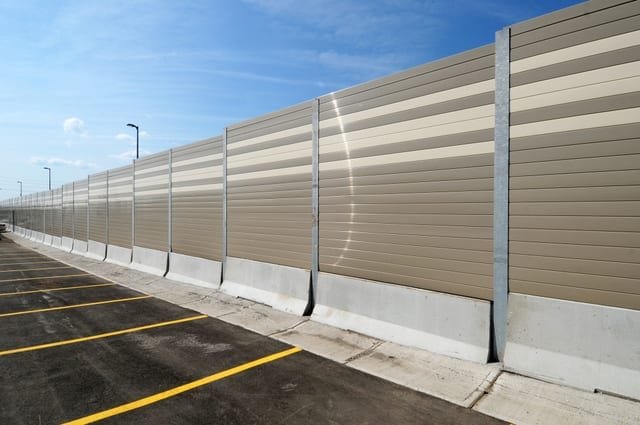
In the battle against noise pollution, traditional noise barriers — think concrete walls and acrylic panels — have long been the go-to solution. But now, a new contender has entered the chat: noise barrier sheets.

Flexible, modular, and often marketed as cost-effective and easy to install, noise barrier sheets are popping up at construction sites, industrial zones, and even around residential properties. But here’s the million-dollar question: Are these sheets a true replacement for traditional noise barriers, or are we just caught up in the latest industry trend?

What Are Noise Barrier Sheets, Really?

Noise barrier sheets are typically flexible, sound-dampening materials made from a combination of vinyl, mineral wool, fibreglass, or composite layers. Many come in roll or curtain form, and they’re designed to absorb and block sound in temporary or semi-permanent settings.

You’ve likely seen them draped around construction scaffolding or wrapped along fences near roadworks. They’re lighter and easier to handle than solid panels, which makes them particularly attractive for short-term or mobile use.

The Benefits: Where They Shine

Let’s give credit where it’s due. Noise barrier sheets bring some real advantages to the table, especially in urban environments like Singapore or London, where space and time are always tight.

1. Flexibility and Portability

Unlike concrete walls, noise reduction sheets can be installed, removed, and reinstalled without heavy machinery or weeks of prep. For construction companies that hop from project to project, this is a game-changer.

2. Cost-Efficiency

While pricing varies depending on quality, most noise barrier sheets are cheaper to manufacture, transport, and install than traditional materials. That makes them an appealing choice for budget-conscious developers or municipal planners needing temporary solutions.

3. Quick Installation

These sheets can often be set up in a matter of hours. That’s ideal in situations where delays are expensive or when emergency noise protection is needed.

4. Versatility

You can wrap them around poles, hang them on fences, or mount them to scaffolding. They also tend to be fire-retardant, waterproof, and UV-resistant, making them suitable for Singapore’s weather.

But Let’s Be Real — They’re Not Perfect

While barrier sheets serve a clear purpose, they’re not a miracle cure. The most obvious issue? They don’t provide the same long-term performance as solid barriers.

1. Lower Noise Reduction Ratings

Sheets typically offer 5–15 dB of noise reduction, depending on material and installation. That’s helpful, but not nearly as effective as a well-designed concrete or acrylic wall, which can block 20–30 dB or more.

2. Limited Use Cases

They work great for construction zones, event setups, or short-term industrial projects. But in residential areas, especially near highways or train tracks, they’re not going to hold up, literally or acoustically, as a permanent fix.

3. Durability Issues

Even with weatherproof coatings, sheets can degrade over time. Prolonged exposure to sunlight, rain, or heavy winds may lead to fraying, sagging, or a drop in performance. Not ideal for year-round use.

4. Aesthetic Trade-Offs

Let’s be honest, even premium noise barrier sheets often look temporary. For upscale neighbourhoods or locations with architectural restrictions, they may not meet visual expectations.

Are They Replacing Traditional Barriers? Not Quite.

It’s tempting to think we’ve found a cheaper, faster fix to urban noise. But noise barrier sheets aren’t replacing traditional barriers, they’re complementing them.

Think of them as the acoustic equivalent of a pop-up tent: incredibly useful when speed and mobility matter, but not what you’d want in your backyard for the next 10 years.

Governments and developers increasingly use them during early construction phases to protect nearby residents from day-to-day construction noise. But once permanent structures go up, they’re usually removed or replaced with long-term solutions like concrete or composite barriers.

In Singapore, for example, noise barrier sheets are often seen along MRT expansion works or road repairs. But permanent noise control solutions — like full-height steel or acrylic walls — are used along expressways and residential-facing lines.

Are They Just a Fad?

No, but they’re also not a silver bullet.

Noise barrier sheets are gaining popularity because they fill a critical gap: short-term, flexible, mobile noise control. In that niche, they’re not just a trend — they’re a practical solution. More manufacturers are now offering high-performance variants with multi-layered insulation, improved fire ratings, and even custom branding for commercial projects.

But for large-scale, long-term noise problems like highway traffic, airport runways, or dense condo clusters, traditional barriers still dominate for a reason. They offer consistent, structurally sound protection, not to mention better resale value for nearby properties.

The Smart Approach: Hybrid Noise Management

So, what’s the best move for city planners, developers, and homeowners?

Use both.

Deploy noise barrier sheets in the early stages of construction, maintenance, or event planning. But don’t rely on them as the final answer. Combine them with:

  • Green noise buffers (trees, berms)
  • Sound-absorbing building materials
  • Smart urban design (setbacks, orientation)
  • Permanent structural barriers where appropriate

When integrated well, sheets can serve as part of a broader noise mitigation strategy — one that’s flexible enough for urban life but sturdy enough to last.

Final Verdict

Are noise barrier sheets replacing traditional barriers?

No, but they are redefining what effective, adaptive noise control looks like in the modern world.

They’re not a passing fad. They’re here to stay, but not as a standalone solution.

If we treat them as what they are, a smart, tactical tool in the wider acoustic arsenal, they’ll keep proving their value project after project.