
Archive

June 2025

Browsing

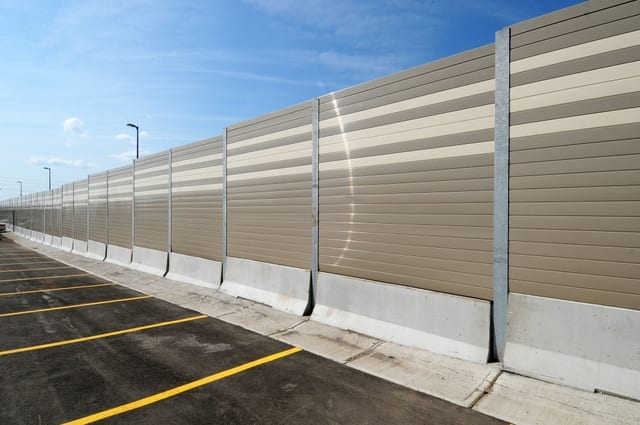
In the battle against noise pollution, traditional noise barriers — think concrete walls and acrylic panels — have long been the go-to solution. But now, a new contender has entered the chat: noise barrier sheets.

Flexible, modular, and often marketed as cost-effective and easy to install, noise barrier sheets are popping up at construction sites, industrial zones, and even around residential properties. But here’s the million-dollar question: Are these sheets a true replacement for traditional noise barriers, or are we just caught up in the latest industry trend?

What Are Noise Barrier Sheets, Really?

Noise barrier sheets are typically flexible, sound-dampening materials made from a combination of vinyl, mineral wool, fibreglass, or composite layers. Many come in roll or curtain form, and they’re designed to absorb and block sound in temporary or semi-permanent settings.

You’ve likely seen them draped around construction scaffolding or wrapped along fences near roadworks. They’re lighter and easier to handle than solid panels, which makes them particularly attractive for short-term or mobile use.

The Benefits: Where They Shine

Let’s give credit where it’s due. Noise barrier sheets bring some real advantages to the table, especially in urban environments like Singapore or London, where space and time are always tight.

1. Flexibility and Portability

Unlike concrete walls, noise reduction sheets can be installed, removed, and reinstalled without heavy machinery or weeks of prep. For construction companies that hop from project to project, this is a game-changer.

2. Cost-Efficiency

While pricing varies depending on quality, most noise barrier sheets are cheaper to manufacture, transport, and install than traditional materials. That makes them an appealing choice for budget-conscious developers or municipal planners needing temporary solutions.

3. Quick Installation

These sheets can often be set up in a matter of hours. That’s ideal in situations where delays are expensive or when emergency noise protection is needed.

4. Versatility

You can wrap them around poles, hang them on fences, or mount them to scaffolding. They also tend to be fire-retardant, waterproof, and UV-resistant, making them suitable for Singapore’s weather.

But Let’s Be Real — They’re Not Perfect

While barrier sheets serve a clear purpose, they’re not a miracle cure. The most obvious issue? They don’t provide the same long-term performance as solid barriers.

1. Lower Noise Reduction Ratings

Sheets typically offer 5–15 dB of noise reduction, depending on material and installation. That’s helpful, but not nearly as effective as a well-designed concrete or acrylic wall, which can block 20–30 dB or more.

2. Limited Use Cases

They work great for construction zones, event setups, or short-term industrial projects. But in residential areas, especially near highways or train tracks, they’re not going to hold up, literally or acoustically, as a permanent fix.

3. Durability Issues

Even with weatherproof coatings, sheets can degrade over time. Prolonged exposure to sunlight, rain, or heavy winds may lead to fraying, sagging, or a drop in performance. Not ideal for year-round use.

4. Aesthetic Trade-Offs

Let’s be honest, even premium noise barrier sheets often look temporary. For upscale neighbourhoods or locations with architectural restrictions, they may not meet visual expectations.

Are They Replacing Traditional Barriers? Not Quite.

It’s tempting to think we’ve found a cheaper, faster fix to urban noise. But noise barrier sheets aren’t replacing traditional barriers, they’re complementing them.

Think of them as the acoustic equivalent of a pop-up tent: incredibly useful when speed and mobility matter, but not what you’d want in your backyard for the next 10 years.

Governments and developers increasingly use them during early construction phases to protect nearby residents from day-to-day construction noise. But once permanent structures go up, they’re usually removed or replaced with long-term solutions like concrete or composite barriers.

In Singapore, for example, noise barrier sheets are often seen along MRT expansion works or road repairs. But permanent noise control solutions — like full-height steel or acrylic walls — are used along expressways and residential-facing lines.

Are They Just a Fad?

No, but they’re also not a silver bullet.

Noise barrier sheets are gaining popularity because they fill a critical gap: short-term, flexible, mobile noise control. In that niche, they’re not just a trend — they’re a practical solution. More manufacturers are now offering high-performance variants with multi-layered insulation, improved fire ratings, and even custom branding for commercial projects.

But for large-scale, long-term noise problems like highway traffic, airport runways, or dense condo clusters, traditional barriers still dominate for a reason. They offer consistent, structurally sound protection, not to mention better resale value for nearby properties.

The Smart Approach: Hybrid Noise Management

So, what’s the best move for city planners, developers, and homeowners?

Use both.

Deploy noise barrier sheets in the early stages of construction, maintenance, or event planning. But don’t rely on them as the final answer. Combine them with:

  • Green noise buffers (trees, berms)
  • Sound-absorbing building materials
  • Smart urban design (setbacks, orientation)
  • Permanent structural barriers where appropriate

When integrated well, sheets can serve as part of a broader noise mitigation strategy — one that’s flexible enough for urban life but sturdy enough to last.

Final Verdict

Are noise barrier sheets replacing traditional barriers?

No, but they are redefining what effective, adaptive noise control looks like in the modern world.

They’re not a passing fad. They’re here to stay, but not as a standalone solution.

If we treat them as what they are, a smart, tactical tool in the wider acoustic arsenal, they’ll keep proving their value project after project.
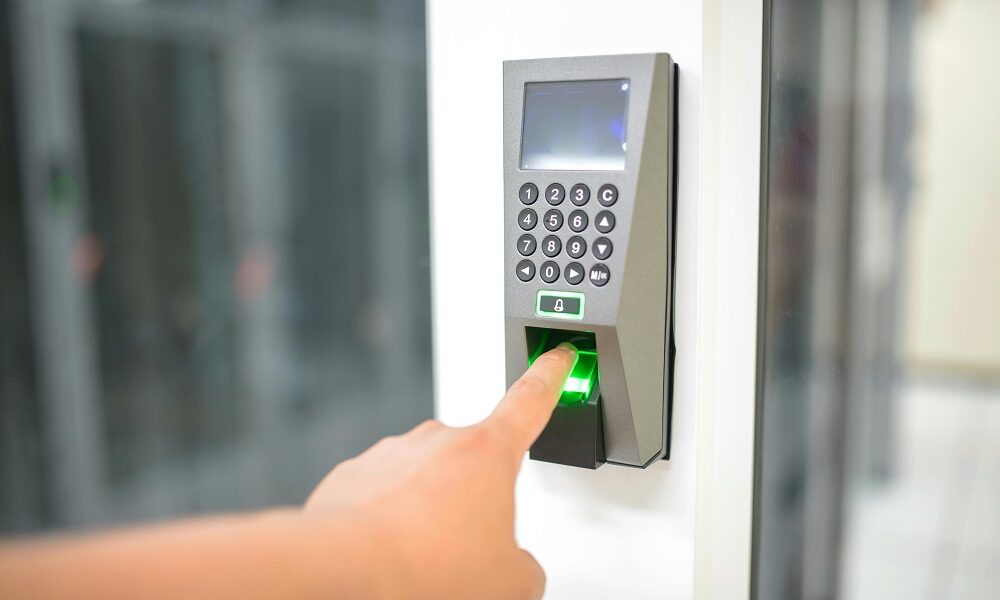

Time and attendance systems have become a staple of the modern workplace. From fingerprint scanners and biometric check-ins to cloud-based apps that track clock-ins with GPS, these systems promise increased accuracy, transparency, and efficiency. But are they genuinely creating a fairer workplace, or are they inadvertently breeding an atmosphere of surveillance and mistrust?

Like most workplace technologies, the answer isn’t black and white.

The Case for Fairness: Level Playing Field

1. Accuracy and Accountability

Gone are the days of handwritten timesheets and buddy-punching.

Automated attendance systems reduce human error and manipulation. In doing so, they create an environment where employees are evaluated based on actual working hours rather than estimates or favouritism.

This is particularly helpful in industries where hours translate directly to pay—retail, hospitality, and manufacturing, to name a few. When hours are logged automatically and without bias, the potential for payroll discrepancies drops significantly. For hourly workers, especially, this can mean more accurate compensation and fewer disputes.

2. Transparency for All

One major advantage of digital and time attendance systems is that they offer clear, real-time data accessible to both employees and managers. Workers can easily see their logged hours, overtime, or holiday accruals. This reduces ambiguity and builds a record of accountability that can protect employees from mismanagement or favouritism.

For example, if an employee is consistently asked to stay late, a time and attendance system ensures that extra time doesn’t go unnoticed. In environments where overtime pay or time-off-in-lieu is required, this transparency is crucial for fairness.

3. Policy Enforcement

Time and attendance systems help enforce consistent policies. When expectations are clearly defined—start and end times, break durations, remote work hours—it’s easier for everyone to stay on the same page. This consistency helps eliminate double standards and “exceptions” that can erode morale.

By making rules more visible and enforceable, companies can avoid accusations of selective enforcement or arbitrary discipline, which is often a root cause of employee dissatisfaction.

The Counterpoint: Surveillance Culture and Erosion of Trust

Despite the advantages, there’s a darker side to time and attendance systems that can’t be ignored, particularly the feeling of being watched.

1. Micromanagement by Design

Some systems do more than just log hours—they monitor screen activity, location, and even idle time. While these features may be designed for transparency and productivity tracking, they can easily cross the line into micromanagement.

When employees feel they are constantly being monitored, it can send the message that they’re not trusted to manage their own time. In creative or knowledge-based roles where output matters more than hours spent, this can be especially demoralising.

2. Eroding Workplace Culture

A workplace thrives on trust. When employees believe their every move is being scrutinised, they may become disengaged or anxious. Trust is a two-way street, and time and attendance systems—especially overly strict ones—can unintentionally signal that management is more interested in policing than supporting staff.

This may be particularly harmful in companies that pride themselves on autonomy and flexible work. The same systems that ensure fairness can be seen as a step backwards in such cultures, undermining morale.

3. One Size Doesn’t Fit All

Implementing the same rigid time tracking system across different roles can backfire. For example, a graphic designer might work in bursts of productivity, taking breaks to recharge creatively. Tracking that time minute-by-minute could lead to inaccurate assessments of their contributions.

When time and attendance are used as a blunt instrument to judge performance across varied roles, it can feel unfair rather than fair.

Striking the Balance: Tech and Trust

The goal isn’t to discard time and attendance systems altogether—it’s to use them thoughtfully. When deployed with care and transparency, they can create a workplace that’s both efficient and empathetic.

1. Communicate the “Why”

Employees are more likely to accept time tracking when they understand its purpose. If the goal is to improve payroll accuracy, comply with labour laws, or reduce burnout from untracked overtime, make that clear. Framing it as a tool for employee wellbeing rather than control can shift perceptions.

2. Focus on Outcomes, Not Just Inputs

Rather than using attendance data punitively, companies should focus on results. Recognise that presence doesn’t equal productivity. Encourage a culture where data informs decisions without becoming the sole measure of performance.

3. Offer Flexibility Within Structure

Time and attendance systems can still accommodate flexible work arrangements. Many platforms allow custom schedules, remote check-ins, or project-based tracking. Providing employees with input on how their time is measured builds trust and can even increase engagement.

4. Use the Data for Good

The insights gained from time and attendance systems can be used to identify overworked teams, improve resource allocation, and support well-being. When employees see that the data helps improve workloads rather than punish individuals, it reframes the value of the system.

Real-World Examples

  • Retail Chains: In large retail operations, automated clock-ins have helped reduce disputes over hours and ensured compliance with break policies, creating fairer working conditions.

  • Remote Tech Teams: Some distributed software companies use light-touch attendance logging combined with performance metrics to maintain accountability without micromanagement.

  • Creative Agencies: Agencies with flexible hours often implement self-reporting systems that log total hours worked without tracking precise check-in times, preserving trust while still meeting client billing requirements.

Conclusion: Fairness or Distrust? It Depends on How You Use It

Time and attendance systems aren’t inherently good or bad—they’re tools. Like any tool, their impact depends on how they’re used.

Used well, they promote fairness, protect workers, and improve transparency. Used poorly, they foster distrust, anxiety, and disengagement.

The challenge for employers is to strike the right balance between structure and autonomy, policy and culture. That means listening to employees, being transparent about the reasons behind time tracking, and avoiding the trap of using surveillance as a substitute for management.

If trust is the foundation of a great workplace, then technology must be built on that trust, not used to replace it.