
Archive

June 2024

Browsing

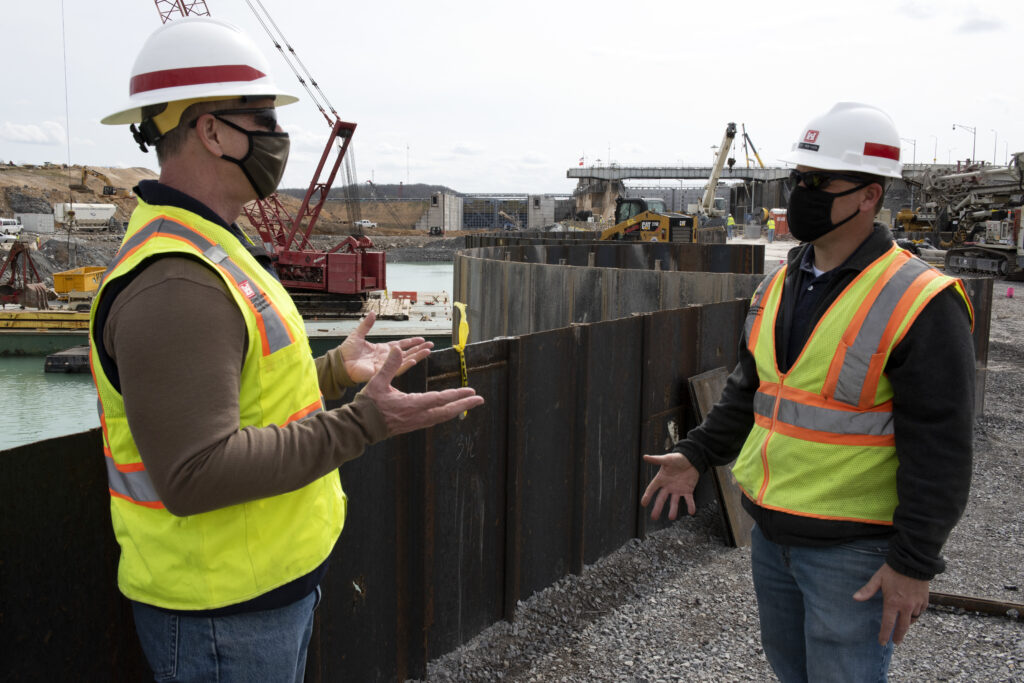
Cofferdams are temporary structures used in water construction projects to create a dry work environment, allowing construction crews to work safely and efficiently. These structures are essential for a variety of projects, including bridge construction, dam repair, and pipeline installation. NadeauSDM temporary work engineer plays a crucial role in designing and implementing cofferdams, ensuring that they are safe, effective, and environmentally friendly. This article will explore the importance of cofferdam engineering in water construction projects.

Ensuring Safety and Stability

One of the primary goals of cofferdam engineering is to ensure the safety and stability of the structure. Cofferdams must be able to withstand the forces of water, soil, and construction activities without failing. NadeauSDM temporary work engineer uses advanced engineering principles and techniques to design cofferdams that meet these requirements, providing a safe working environment for construction crews.

Creating a Dry Work Environment

Cofferdams are used to create a dry work environment in water construction projects, allowing crews to work below the waterline. This is essential for tasks such as bridge piers, dam repairs, and pipeline installations. Cofferdam engineering ensures that the structure is watertight and able to withstand the pressure of the surrounding water, creating a safe and dry area for construction activities.

Minimizing Environmental Impact

Cofferdam engineering also focuses on minimizing the environmental impact of the structure. Cofferdams can disrupt aquatic habitats and water flow, so it’s essential to design them in a way that minimizes these impacts. NadeauSDM temporary work engineer considers factors such as the location of the cofferdam, its size, and its construction methods to reduce its environmental footprint.

Facilitating Construction Activities

Cofferdams play a crucial role in facilitating construction activities in water construction projects. They provide a stable platform for equipment and materials, allowing crews to work efficiently and safely. Cofferdam engineering ensures that the structure is designed to support the specific requirements of the project, including the weight of equipment and materials and the forces of water and soil.

Adhering to Regulatory Requirements

Water construction projects are subject to strict regulatory requirements to protect the environment and ensure public safety. Cofferdam engineering ensures that cofferdams meet these requirements, including permits, environmental impact assessments, and safety standards. NadeauSDM temporary work engineer works closely with regulatory agencies to ensure that cofferdams comply with all applicable regulations.

In conclusion, cofferdam engineering is essential for the success of water construction projects. NadeauSDM temporary work engineer plays a crucial role in designing and implementing cofferdams that are safe, effective, and environmentally friendly. By ensuring the safety and stability of cofferdams, creating a dry work environment, minimizing environmental impact, facilitating construction activities, and adhering to regulatory requirements, cofferdam engineering contributes to the success of water construction projects.


 

Keeping a well-working pipes framework is fundamental for each property holder. Standard upkeep can forestall exorbitant fixes and guarantee a smooth-running family. Here are a few simple tips to assist you with keeping your pipe framework in top shape.

Normal Reviews

Direct standard investigations of your pipes framework. Check for spills under sinks, around bathrooms, and close to fixtures that utilize water. Early identification of breaks can save you from huge water harm and high fixed costs.

Water Heater Support

Your water heater is a fundamental piece of your home’s lines. Customary support, including flushing the tank to eliminate silt development, guarantees productive activity. If your water heater is old or often separated, think about putting resources into another water heater installation. A cutting-edge, energy-effective model can get a good deal on service charges and give more solid boiling water.

Drain Cleaning

Keep your drains clear by trying not to pour oil or enormous food particles down the sink. Utilize a drain sifter to get hair, flotsam, and jetsam in the shower. Routinely clean your drains with a combination of baking soda and vinegar to forestall obstructs and keep up with legitimate streams.

Septic Framework Care

If your home has a septic framework, it’s urgent to appropriately focus on it. Plan normal assessments and siphoning to keep away from spills over and reinforcements. Drain field services are fundamental to keep up with the area where wastewater is normally sifted. Appropriate support of your drain field guarantees that your septic framework works proficiently and securely.

Know Your Shut-Off Valves

In the event of a pipe crisis, knowing the area of your shut-off valves can save you from extreme water harm. Guarantee everybody in your family knows where these valves are found and how to switch them off.

Stay away from Compound Drain Cleaners

While synthetic drain cleaners can rapidly clear a stop, they can likewise harm your lines. Pick mechanical strategies like an unclogger or a handyman’s snake to clear blockages. For persevering obstructs, call an expert handyman to securely resolve the issue.

Winter Readiness

In colder environments, set up your pipes for winter to forestall frozen pipes. Protect uncovered lines and let fixtures trickle during an outrageous cold to keep water moving. Separate and drain outside hoses to stay away from pipe explodes.

Water Tension Check

High water strain can harm your pipe framework over the long haul. Utilize a tension measure to check your home’s water pressure. If it’s excessively high, think about introducing a strain controller to safeguard your lines and machines.

Proficient Investigations

While customary Do-It-Yourself reviews are fundamental, it’s likewise really smart to have an expert handyman lead a yearly examination of your pipe’s framework. They can distinguish potential issues early and suggest essential fixes or overhauls.

Conclusion

Normal support and legitimate consideration of your pipes framework can forestall numerous normal issues and broaden the existence of your lines and machines. By remaining proactive, you can stay away from the burden and cost of crisis fixes. Remember these tips to guarantee your pipes framework stays in phenomenal condition, offering solid support for quite a long time into the future.

A pre-purchase inspection, as a home inspection or vital building inspection is an examination of a property’s condition by a professional inspector. They are inspector of the home’s major systems components the foundation, roof, electrical, plumbing, heating and cooling systems, and more. The primary goal of a pre-purchase inspection is to identify any existing or potential property and make an informed decision to proceed with the purchase or renegotiate the terms of the sale.

Uncover hidden issues

Many home defects or problems are not easily visible to the untrained eye. A professional inspector has the expertise and specialized equipment to detect issues that could be expensive to repair, such as structural problems, mould, termite damage, or faulty electrical wiring.

Negotiate with confidence

Suppose the building inspections Sydney reveal issues with the property. In that case, you can use the findings to renegotiate the seller’s purchase price for necessary repairs before closing. This can save you a considerable amount of money in the long run.

Prioritize repairs and maintenance

Even if no major problems are found, the inspection report will provide an overview of the home’s condition and any areas that may need attention or maintenance in the near future: this information plan and budget for upcoming repairs or replacements.

Pre-purchase inspection cover

Exterior-Roof, siding, windows, doors, foundation, and grading

Interior-Floors, walls, ceilings, attic, and insulation

Structural components– Foundation, basement, crawl space, and framing

Plumbing– Water supply, drainage, fixtures, and water heater

Electrical-Service panel, wiring, outlets, and lighting

Heating and cooling systems– Furnace, air conditioner, ducts, and ventilation

Appliances-Stove, oven, refrigerator, dishwasher, and other built-in appliances

Safety features– Smoke detectors, carbon monoxide detectors, extinguishers

It’s important to note that a pre-purchase inspection is a visual examination and does not involve invasive or destructive testing. The inspector cannot see behind walls or under floors, so some issues may remain undetected.

Choosing the right inspector

Inspectors are created equal, so it’s crucial to choose a qualified and experienced professional.

Look for inspectors who are licensed, certified, and insured.

Ask for referrals from friends, family, or your real estate agent.

Check online reviews and ratings.

Ensure the inspector follows industry-accepted standards set by the International Association of Certified Home Inspectors (InterNACHI) and the American Society of Home Inspectors (ASHI).

Verify that the inspector has experience inspecting homes similar to the one you’re considering.

Attending the inspection

It’s highly recommended that you attend the pre-purchase inspection in person. This allows you to see the property’s condition firsthand, ask questions, and receive a thorough explanation of the inspector’s findings. It’s also an opportunity to learn about the home’s systems and maintenance requirements.

Cost of a pre-purchase inspection

The cost of a pre-purchase inspection varies depending on the size and location of the property, the inspector’s experience, and qualifications. On average, expect to pay between $300 and $500 for a comprehensive inspection of a typical single-family home.

While this may seem like a significant expense, it’s a small price to pay compared to the potential costs of overlooking major defects or issues with the property. In fact, a pre-purchase inspection can often pay for itself many times over by helping you avoid costly repairs or legal issues down the line.

Forex robot trading, also known as algorithmic trading, has revolutionized the way traders engage with financial markets. This technology, which automates trading decisions based on predefined criteria, has evolved significantly since its inception, offering traders new capabilities and efficiencies. Let’s explore the key stages of forex trading robot evolution:

1. Early Days: Emergence of Automated Systems

The concept of forex trading robot systems first gained prominence in the late 20th century with the advent of electronic trading platforms. Early systems relied on basic algorithms to execute trades automatically, often based on simple technical indicators like moving averages or stochastic oscillators.

2. Advancements in Algorithm Complexity

As computing power increased, so did the complexity of algorithms used in Forex robots. Traders began integrating more sophisticated strategies such as trend-following algorithms, pattern recognition, and even machine learning models. These advancements allowed robots to adapt to changing market conditions and improve trading performance.

3. Integration of Artificial Intelligence

The introduction of artificial intelligence (AI) marked a significant leap forward in Forex robot technology. AI-powered trading systems can analyze vast amounts of data in real-time, identify complex patterns, and make nuanced trading decisions autonomously. Machine learning algorithms enable these robots to continuously learn from market data and refine their strategies over time.

4. Rise of High-Frequency Trading (HFT)

High-frequency trading, enabled by powerful Forex robots, became prevalent in the early 21st century. These systems execute thousands of trades per second, exploiting tiny price differentials for profit. HFT robots are designed to capitalize on market inefficiencies swiftly, often operating on extremely short timeframes.

5. Cloud Computing and Accessibility

Recent years have seen Forex robot trading technology migrate to cloud-based platforms. This shift has democratized access to algorithmic trading, allowing individual traders and smaller firms to leverage sophisticated trading strategies previously available only to institutional investors.

6. Regulatory Challenges and Ethical Considerations

The rapid evolution of Forex robot trading has raised regulatory and ethical questions. Regulators must grapple with issues such as market manipulation, transparency, and the potential systemic risks posed by algorithmic trading. Ethical concerns include the fairness of market access and the impact of automated trading on market stability.

7. Future Trends: Blockchain and Decentralization

Looking ahead, emerging technologies like blockchain hold promise for further transforming Forex robot trading. Blockchain’s decentralized ledger could enhance transparency and security in trading operations, potentially mitigating some of the existing regulatory challenges.

While facing regulatory scrutiny and ethical considerations, the future holds exciting possibilities with the integration of blockchain and other cutting-edge technologies.